Supporting Women at Work, Through Maternity, Menopause, and Beyond
Back to News & insights
Last updated: 18 October 2026
Menopause, maternity and other life changes can affect women’s income, career progression and pensions as well as their health. As an employer, you can help by starting open conversations, offering practical workplace adjustments and giving your people access to financial education and planning support.
Supporting women through menopause, maternity and life changes at work, and the financial impact they can bring
International Women’s Day is a great opportunity to come together and celebrate women’s achievements, as well as rally for change. One change we want to focus on is the challenges women face at work. The challenges that don’t just appear one day a year.
Menopause at work and the impact on careers
Menopause, maternity, caring responsibilities and health changes. These are normal parts of life, but in the workplace, they can have a huge impact on things such as income, career progression and long-term financial security. We want to support women who are navigating these life changes whilst trying to keep work life moving, as well as HR teams and managers who want to support their teams the best they can but are unsure where to start.
Menopause is completely unavoidable for women, and you don’t hear much about it in the workplace. The Fawcett Society’s research has highlighted how often women are left without basic workplace support, and how that lack of understanding can affect careers. Their report found that one in ten women who worked during menopause left a job because of their symptoms, and eight out of ten said their employer had not shared information, trained staff, or put a menopause absence policy in place. When menopause affects work, it can also affect money. Reduced hours, stepping back from responsibilities, missing out on progression, or leaving a role altogether can all create a ripple effect that lasts beyond the immediate moment.
What is the menopause, and who does it affect?
Menopause is a natural part of life. The NHS explains that it usually affects women between the ages of 45 and 55, but it can happen earlier, and that menopause and perimenopause can affect anyone who has periods. Early menopause can happen before the age of 45. It can be caused by surgery to remove the ovaries, and sometimes the reason is unknown.
The NHS lists the symptoms as including hot flushes and night sweats, problems sleeping, mood changes, poor memory and brain fog, and says they usually last for 7 to 9 years, sometimes longer.
How does menopause affect work?
The CIPD’s 2023 research on menopause in the workplace surveyed more than 2,000 employed women aged 40 to 60. Two-thirds (67%) of those with menopause symptoms said the effect on them at work had been mostly negative. The research also found that 17% had considered leaving work because of a lack of support, and a further 6% had left.
How can menopause affect your money and pension?
When symptoms lead someone to cut their hours, move to a lower-paid role or leave work, their pay falls, and so do their pension contributions. Workplace pension contributions under automatic enrolment are based on your earnings, so lower pay usually means less going into your pension.
This adds to a gap that already exists. The Department for Work and Pensions’ gender pensions gap statistics for 2020 to 2022 put the gap in private pension wealth at 48% for people aged 55 to 59: a median of £81,000 for women, compared with £156,000 for men. The DWP links the gap to women being more likely to work part time, work fewer hours and earn less throughout their careers.
If you are worried about how menopause could affect your pension or your wider finances, the best step is to get guidance and plan ahead. Speaking to a financial planner can help you understand your options. If your employer offers financial wellbeing support or education as an employee benefit, make use of it.
The financial reality of maternity and returning to work
Maternity and returning to work can create a similar financial impact. Time away from work means changes in household income, increased costs, and pauses or reductions in pension contributions. It can also affect longer-term pay progression, especially if returning hours change or responsibilities shift. This is the financial reality of life stages that workplaces often do not plan for openly.
Supporting women through life’s financial turning points
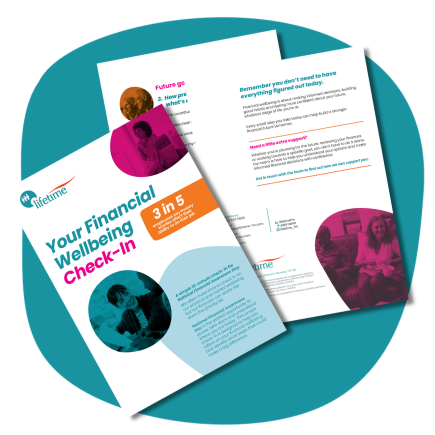
As part of our campaign, we are offering a free financial plan to women who may be experiencing or preparing for key life stages such as maternity, career changes, caring responsibilities or menopause.
A financial plan can help you look ahead at how any changes in income could affect you, understand your essential outgoings and identify where extra support may be needed. It can also provide reassurance and breathing space, giving you the clarity and confidence to navigate these stages of life.
Even if these moments feel far away, planning early can help you feel more prepared and in control of your financial future.
Creating workplaces where women feel supported
For employers and HR teams, the most meaningful support often starts with culture, not policy. Policies matter, but so do conversations. Many people do not speak up because they worry that they will be judged, dismissed, or misunderstood. A supportive workplace is one where managers feel confident starting respectful conversations, where adjustments can be discussed without awkwardness, and where women do not feel they have to carry everything quietly.
To help make those conversations easier, we have created a new series of our Tough Talk Cards, practical conversation starters designed for employers to use when talking to employees about sensitive topics in a supportive way. You can download the Tough Talk Cards here.
What should employers do to support employees through menopause?
Support starts with understanding how menopause may affect your people, and with making help easy to ask for.
The legal position. Menopause is not a protected characteristic in its own right under the Equality Act 2010. However, the government’s 2022 response on menopause and the workplace states that sex, age and disability all provide protection against unfair treatment of employees going through the menopause. For a specific case, take employment law advice.
Practical adjustments. The government’s guidance on workplace adjustments for menopause suggests options such as:
- flexible working hours, and working from home when practical
- breaks when needed, and a private space to rest
- some control over the working environment, such as a fan, a desk near a window or ergonomic furniture
- attention to the temperature and ventilation of the workplace
It also recommends a menopause risk assessment, which reviews conditions such as temperature, ventilation, uniforms and rest areas, and helps you identify the right adjustments for your people.
Action plans for larger employers. If you employ 250 or more people, you can now publish a voluntary action plan alongside your gender pay gap data, setting out the steps you are taking on your gender pay gap and on supporting employees experiencing menopause. The government says these plans will become mandatory from spring 2027, subject to legislation.
Financial support. Money worries can add to the pressure of symptoms. Our guide to mental health at work and financial wellbeing and our article on the employer’s role in reducing financial stress at work set out practical steps. A structured employee financial wellbeing programme gives that support practical backing, with education, coaching and tools your people can use in their own time.
Frequently asked questions
Is menopause covered by the Equality Act 2010?
Menopause is not a protected characteristic in its own right. The government has said that sex, age and disability all provide protection against unfair treatment of employees going through the menopause.
What workplace adjustments help with menopause symptoms?
Government guidance suggests flexible working hours, working from home when practical, breaks and a private space to rest, and some control over the working environment, such as a fan or a desk near a window. A menopause risk assessment can help you find the right adjustments.
Do employers need a menopause action plan?
Employers with 250 or more employees can publish a voluntary action plan alongside their gender pay gap data, covering their gender pay gap and support for employees experiencing menopause. The government says these plans will become mandatory from spring 2027, subject to legislation.
How can menopause affect a pension?
If symptoms lead someone to reduce their hours or leave work, their earnings fall, and so do the workplace pension contributions based on those earnings. Getting guidance early can help you understand the effect and your options.
See how financial wellbeing support could work for your team. Book a demo and we will walk you through the programme.