Autumn Budget 2025: what it means for your money
Back to News & insights
Last updated: 9 October 2026
The Autumn Budget 2025 did not scrap existing Lifetime ISAs. It announced that the Lifetime ISA will be replaced by a new ISA for first time buyers only. You can still open one until the new product is available, and existing holders can keep saving under the current rules. Below is a sourced summary of the other changes.
What did the Autumn Budget 2025 mean for the Lifetime ISA?
The Lifetime ISA is being replaced, but not closed overnight. HMRC confirmed that the government would consult on “a new, first time buyer only product” that pays the bonus when you use it to buy a home, removing the need for a withdrawal charge.
The consultation ran from 22 June to 18 August 2026. According to GOV.UK, the new First Time Buyer ISA will be offered in place of the Lifetime ISA once available. Until then, you can still open a Lifetime ISA, and holders can keep saving under the existing rules indefinitely.
What we know about the new First Time Buyer ISA, from the consultation:
- It will be for buying a first home only, not for retirement.
- It will be open to UK residents aged 18 and over, with no upper age limit.
- There will be no withdrawal charge. The government bonus will be paid only when you withdraw to buy your first home with a mortgage, and only once the account has been open for a year.
- The yearly limit, the property price cap and the size of the bonus have not been set. The government says they will be announced at a future fiscal event.
What stays the same for current Lifetime ISA holders, according to GOV.UK:
- You can pay in up to £4,000 a year until you are 50, and the government adds a 25% bonus, up to £1,000 a year.
- You can use it to buy a first home costing £450,000 or less.
- Withdrawals for any other reason, unless you are 60 or over or terminally ill, carry a 25% withdrawal charge.
Unsure whether to keep paying in or wait? MoneyHelper offers free, impartial guidance, and our coaches can help you think it through. Book a chat with our mortgage team if you are saving for your first home.
What changed for ISAs and savings?
The overall ISA allowance stays at £20,000 until April 2031, but the cash ISA limit falls for under-65s from April 2027. HMRC confirms these points:
- From 6 April 2027, the most you can put into a cash ISA will be £12,000 a year if you are under 65. The rest of the £20,000 can go into a stocks and shares ISA.
- People aged 65 and over keep a £20,000 cash ISA limit.
- Tax on savings income rises by 2 percentage points from April 2027, and on dividend income from April 2026, according to the Budget 2025 document. This matters for savings and investments held outside an ISA.
What changed for pensions and the State Pension?
The State Pension rose by 4.8% from April 2026, and salary sacrifice will be partly brought into National Insurance from 2029.
- State Pension. GOV.UK confirms the full new State Pension rose by 4.8%, in line with average earnings, from £230.25 to £241.30 a week from April 2026. How much you get depends on your National Insurance record.
- Salary sacrifice. From 6 April 2029, pension contributions made through salary sacrifice above £2,000 a year will be subject to National Insurance, for both employee and employer, according to GOV.UK. They will still be free of Income Tax, within the usual limits.
- Tax-free cash. The lump sum allowance remains £268,275, according to GOV.UK.
The value of pensions and investments can go down as well as up, and you may get back less than you put in.
What changed for working people and parents?
Frozen tax thresholds are the change most people will feel. The Budget 2025 document confirms the following:
- Income tax. Income tax thresholds, and the matching National Insurance thresholds for employees, stay frozen until April 2031, so pay rises could push more income into higher tax bands.
- Fuel duty. The 5p cut was extended to the end of August 2026, with rates gradually returning to March 2022 levels by March 2027. Fuel duty then rises with inflation from April 2027.
- Student loans. The Plan 2 repayment threshold will be frozen at its 2026 to 2027 level for three years from April 2027, so some graduates may repay more each month.
- Energy bills. Around £150 was removed from average household energy bills from April 2026, and the Warm Home Discount was extended to more low-income households.
- Universal Credit. The two-child limit was removed from April 2026, restoring payments for third and subsequent children.
What changed for homeowners?
Owners of homes worth £2 million or more in England will pay a new High Value Council Tax Surcharge from April 2028. The Budget 2025 document says charges start at £2,500 a year and rise to £7,500 a year for properties valued above £5 million. Inheritance Tax thresholds also stay frozen, to April 2031.
What did the Budget mean for employers?
Employers face two confirmed changes: business rates reform and National Insurance on salary sacrifice above £2,000 from 2029.
- Business rates. The Budget introduced permanently lower business rates for retail, hospitality and leisure, funded by a higher rate on properties with a rateable value of £500,000 or more, with transitional relief. Eligible EV chargepoints get 100% business rates relief for 10 years.
- Pension contributions. Employer National Insurance will apply to salary sacrifice pension contributions above £2,000 per employee a year from 6 April 2029.
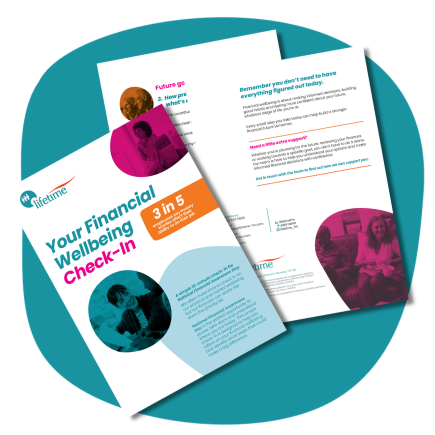
Employees will have questions about their pay and pension. An employee financial wellbeing programme gives them a trusted place to ask, with webinars, tailored sessions and one-to-one coaching.
Frequently asked questions
Was the Lifetime ISA scrapped in the Autumn Budget 2025?
Not for existing savers. The Budget announced a new First Time Buyer ISA that will replace the Lifetime ISA once it is available. According to GOV.UK, you can still open a Lifetime ISA until then, and existing holders can keep saving into it under the current rules indefinitely.
When will the new First Time Buyer ISA start?
No start date has been announced. The government consulted from June to August 2026 and says it wants the product available as soon as practically possible. The yearly limit, the property price cap and the bonus level will be set at a future fiscal event.
Is the cash ISA allowance changing?
Yes, from 6 April 2027. Under-65s will be able to put up to £12,000 a year into a cash ISA, according to HMRC. The overall ISA allowance stays at £20,000, and people aged 65 and over keep a £20,000 cash ISA limit.
Does salary sacrifice still save National Insurance?
Yes, until April 2029. From 6 April 2029, salary sacrifice pension contributions above £2,000 a year will attract employee and employer National Insurance. Contributions up to £2,000 keep the saving, and all contributions remain free of Income Tax within the usual limits.
For what might change next, read our Autumn Budget 2026 predictions ahead of the Budget on 28 October 2026.
Need support?
Employers and HR teams: If you want to support your team with a financial wellbeing benefit, especially in times like these, we can help them understand the changes in more depth. We offer special webinars and tailored sessions and a financial plan to help your employees make sense of their finances.
Individuals: If you are feeling confused by these changes or simply want to understand more, we can put you in touch with a coach or adviser who can provide guidance and help you plan effectively.
For free, impartial money guidance, you can also visit MoneyHelper.
Your home may be repossessed if you do not keep up repayments on your mortgage. The value of pensions and investments can go down as well as up, and you may get back less than you put in. This article is for general information only and is not personal financial advice.