Why Financial Wellbeing Is More Valuable Than Ever
Back to News & insights
Last updated: 19 October 2026
Financial wellbeing matters to employers because money worries follow people to work, affecting focus, absence and retention. With employment costs rising, it offers a cost-effective way to support staff without large pay rises. In CIPD’s 2025 research, 90% of organisations linked wellbeing investment with opportunities such as higher engagement and lower absence.
UK businesses are still navigating significant cost pressures. From April 2026, the National Living Wage for workers aged 21 and over is £12.71 an hour, and employers pay Class 1 National Insurance at 15% on earnings above the secondary threshold of £5,000 a year. Many companies are finding it harder to offer salary increases while maintaining financial stability.
The good news? Supporting your employees doesn’t have to mean raising salaries. Offering benefits that help them feel financially secure can have just as much impact. Financial wellbeing support provides a cost-effective way to boost employee confidence, engagement, and long-term stability, all while keeping costs manageable for your business.
What do employers get from investing in wellbeing?
The CIPD’s Health and wellbeing at work 2025 report, produced with Simplyhealth and based on a survey of 1,101 HR and people professionals, found that the vast majority (90%) of organisations associate investing in employee wellbeing with opportunities. The outcomes they named include:
- improved health and wellbeing (54% of organisations);
- higher employee engagement (39%);
- less sickness absence (39%);
- better employee performance (38%).
Wellbeing is also moving up the agenda. The same report found that 74% of organisations believe senior leaders prioritise employee wellbeing, and 57% now have a standalone wellbeing strategy, up from 44% in 2020.
Why does money belong in a wellbeing strategy?
Because money worries don’t stay at home. In the CIPD’s 2025 research, 57% of organisations included at least one non-work factor, such as personal illness, relationships and family, or financial concerns, among the top three causes of stress-related absence.
For businesses that can’t afford large pay increases, practical financial support can help retain employees, improve workplace morale, and reduce stress-related productivity losses. We look at the employee side of this, including how money worries affect sleep, focus and absence, in why financial wellbeing matters more than you think.
How can I support financial wellbeing on a tight budget?
Budget is the biggest hurdle for many employers. The CIPD found that finding the budget for wellbeing on top of rising business costs is the top wellbeing challenge (39% of organisations), and that cost-effectiveness is the main factor organisations consider when choosing health-related benefits (56%).
That makes it worth building support in steps:
- Start with what people need. Ask staff, anonymously if possible, what money topics they would find useful, from budgeting to pensions.
- Make help easy to reach. An app, regular webinars and access to coaching let people get support privately, when they need it.
- Train and brief managers. Give line managers the confidence to spot signs of stress and signpost support, without having to be money experts.
- Talk about money openly. Use moments in the calendar, such as pay day, the Budget or the new year, to share practical guidance.
- Signpost free help. Make sure everyone knows about free, confidential services such as MoneyHelper, StepChange and Citizens Advice.
- Measure what changes. Track take-up, feedback, and absence and retention trends over time.
What does it mean to support financial wellbeing?
Helping employees feel in control of their finances isn’t just good for them, it’s good for business. When employees have the right tools to manage money, they feel less stressed, stay more engaged, and perform better at work.
Our financial wellbeing package includes:
- Tools and resources for everyday money management
- Monthly financial education videos and newsletters packed with expert tips
- Personalised financial plans to help employees make smarter financial decisions
- Workshops and webinars on mortgages, pensions, and investments
- Expert guidance on retirement planning and long-term savings
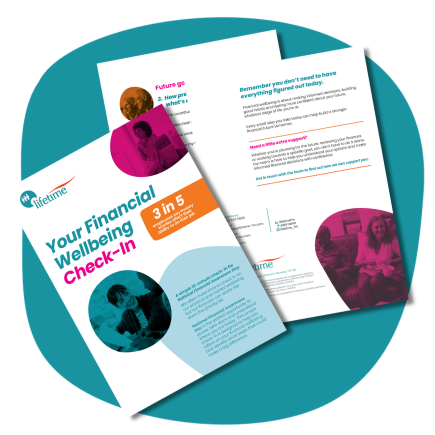
- A simple, all-in-one app that keeps financial tools accessible anytime
Your home may be repossessed if you do not keep up repayments on your mortgage.
By offering practical financial guidance, companies empower employees to improve their financial security, focus on their work, and feel supported by their employer. Learn more about our financial wellbeing support.
How does practical financial support benefit businesses?
- Healthier, happier teams: employees who feel financially secure experience less stress and greater job satisfaction.
- Improved productivity: workers who aren’t preoccupied with financial worries can stay focused and engaged.
- Better employee retention: staff who feel valued are more likely to stay, reducing costly turnover.
- Stronger employer reputation: offering financial guidance shows you care about your employees, making your business more attractive to top talent.
Frequently asked questions
Why is financial wellbeing important for employers?
Money worries affect focus, stress and absence at work. Supporting financial wellbeing can help with engagement and retention, often at a lower cost than pay rises.
Is financial wellbeing support cost-effective?
It can be. Cost-effectiveness is the main factor UK organisations consider when choosing health-related benefits, according to the CIPD, and digital tools, webinars and coaching can reach a whole workforce.
How do I measure the return on financial wellbeing support?
Track take-up of the support, employee feedback, and trends in absence and staff turnover over time.
How do I build the case for senior leaders?
Link financial wellbeing to outcomes leaders already track, such as engagement, absence and retention. Our CPD course on understanding financial wellbeing is a free place to start.
A smarter investment in your workforce
Prioritising employee financial stability isn’t just about helping workers, it’s about future-proofing your business. When employees feel supported, they work more effectively, stay longer, and contribute more to company success.
With budgets tightening, many businesses are searching for ways to offer meaningful support without increasing payroll costs. Financial wellbeing resources provide a cost-effective way to help employees while keeping expenses under control. Discover how financial support benefits can strengthen your team.
Find the right financial wellbeing solution for your business
Want to help your employees feel more secure and engaged at work? Book a demo today and explore how simple, effective financial support can make a lasting impact on your team.
Written by Ione Morton, Marketing Executive at Lifetime
This article is general information, not personal financial advice. Lifetime is authorised and regulated by the Financial Conduct Authority (FRN 225795).