Talk Money Week 2026: why opening up about money matters, at home and at work
Back to News & insights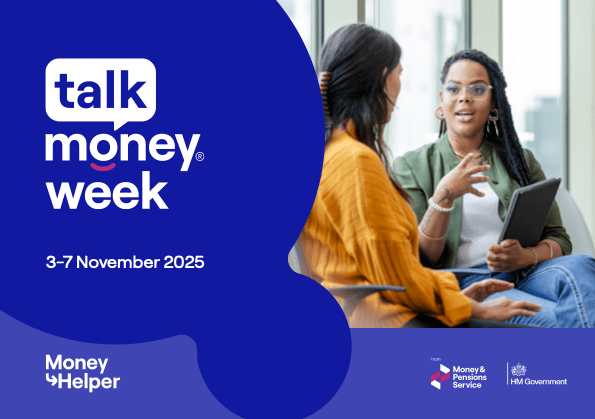
Last updated: 12 October 2026
Talk Money Week is the Money and Pensions Service’s annual campaign to get people across the UK talking openly about their finances, from pocket money to pensions. In 2026 it runs from 2 to 6 November. It is a simple, free prompt for individuals, families and employers to start a money conversation and keep it going.
What is Talk Money Week?
Talk Money Week is a UK-wide awareness week, organised every year by the Money and Pensions Service (MaPS), that encourages people to have more open conversations about money.
The aim is simple: to help everyone feel more comfortable talking about money, and to keep those conversations going all year round. When we talk about money, we build confidence, reduce stigma and take real steps toward better financial wellbeing.
When is Talk Money Week 2026?
Talk Money Week 2026 runs from Monday 2 to Friday 6 November, according to the MaPS Talk Money Week page. This year’s theme is “It All Counts”, which focuses on realistic, manageable actions.
Some people call it a financial wellbeing week. Schools, councils, charities and employers plan events around it.
Why don’t we talk about money?
For many people, money remains one of the last “taboo” topics. From an early age, we’re often taught that discussing finances is impolite or uncomfortable, and many of us grow up avoiding those conversations altogether.
Our own research shows how deep that goes. In Lifetime’s Money & Mindset 2025 report, based on a survey of 1,000 UK adults, the majority told us they would rather discuss their weight, their political beliefs, even their sex life, before opening up about money.
Whether it’s the fear of being judged, a lack of confidence, or not knowing where to start, the outcome is often the same: silence. When we avoid talking about money, we miss chances to learn from others and ask for help. Over time, this can lead to stress, anxiety and a sense of losing control.
How does talking about money support financial wellbeing?
Talking about money helps people see where they are, where they want to be, and what help is available. Money conversations aren’t just about numbers. They’re about awareness, confidence and connection.
Even small, honest conversations can have a big impact. By opening up, people start to plan ahead and make more informed decisions. Over time, these steps add up to stronger financial wellbeing: feeling secure, supported and capable with money.
True financial wellbeing doesn’t mean wealth. It means peace of mind. And that journey always begins with a conversation.
How can you start a money conversation this Talk Money Week?
Start small, pick a relaxed moment, and focus on one topic rather than your whole financial life. Here are some easy openers:
- With a partner: check in on one shared goal, such as a holiday, a house move or Christmas spending. Our guide on why talking about money is key in relationships has more ideas.
- With children: talk about saving up for something they want, or let them help plan a weekly shop.
- With a colleague or friend: ask how they keep track of their spending, or share a tip that has worked for you.
- With yourself: set aside 20 minutes to review your spending, subscriptions and pension. The tools in the Lifetime financial wellbeing app can help.
- With an expert: if something has been worrying you, speak to a qualified financial coach. MoneyHelper, backed by government, also offers free and impartial money guidance.
How can employers get involved in Talk Money Week?
Employers can use Talk Money Week as a ready-made moment to make money a normal, supported topic at work. It needs no big budget, only a clear message that it is OK to ask for help. Practical ideas:
- Run a lunchtime session on a single topic, such as budgeting, understanding your payslip, or getting started with your workplace pension.
- Share a short message from a senior leader about why the organisation cares about financial wellbeing. Visible leadership makes it easier for others to speak up.
- Remind staff what support already exists, such as your pension scheme, employee assistance programme, salary sacrifice benefits or financial coaching.
- Signpost free, impartial help from MoneyHelper, alongside any support you provide.
- Train line managers to spot the signs of money worries and respond with care. Our CPD-accredited financial wellbeing course is designed for this.
- Offer confidential one-to-one time with a financial coach, so people can talk about their own situation privately.
- Use the week as a starting point, not a one-off. Plan follow-up sessions through the year so the conversation keeps going.
For more on creating a culture where money can be discussed, read our guide to building confidence around financial wellbeing at work. If you would like support all year round, find out how an employee financial wellbeing programme from Lifetime works.
What has Lifetime done for Talk Money Week?
In November 2025, Lifetime supported Brum Financial Futures 2025, a free city-wide event at Birmingham’s STEAMhouse that ran alongside Talk Money Week. It was led by Birmingham City Council, MaPS and ANDCP, with a group of local organisations and businesses.
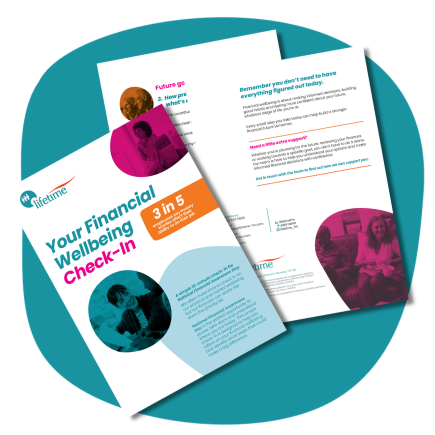
We delivered two workshops, “Mid-Career Financial Planning” and “Money Myths to Confidence”, and offered a free financial plan to delegates. Lifetime’s COO Andy Wealthall also joined panels on life events, money misinformation and whether AI can help close the poverty gap.
How does Lifetime help people and organisations?
At Lifetime, we believe financial wellbeing should be accessible to everyone, not just those who know where to start. That’s why we partner with organisations of all sizes to help their people take control of their financial futures. Our support includes:
- Financial education for teams, from workshops to an accredited course for HR and managers.
- One-to-one financial coaching, so people can talk through their own situation in confidence.
- The Lifetime app, with a personal financial plan, tools and resources employees can use in their own time.
- Regulated financial advice on mortgages, pensions, protection and investments for those who want it.
What sets us apart is a human approach to finance: understanding, and focused on making a difference to individuals.
Frequently asked questions
When is Talk Money Week 2026?
Talk Money Week 2026 runs from 2 to 6 November. It is organised every year by the Money and Pensions Service, the government-backed body behind MoneyHelper. Check the MaPS website for events and resources.
Is Talk Money Week the same as a financial wellbeing week?
People often use the two terms interchangeably. Talk Money Week is the official UK campaign, held each year. Many employers also run their own financial wellbeing week at other times of year, often using the same ideas: education, open conversation and signposting to support.
How can a small business take part in Talk Money Week?
Keep it simple. Share a message from a leader, remind staff of the support already available, signpost MoneyHelper, and offer one short session or a chance to speak to a financial coach. Small, well-timed steps can make money feel easier to talk about.
Where can I get free help with money worries?
MoneyHelper offers free and impartial money and pensions guidance, backed by government, including help with debt. If your employer offers financial coaching or an employee assistance programme, that can be a good confidential place to start too.
Start the conversation
This Talk Money Week, we’re encouraging everyone, individuals, teams and businesses, to start a conversation about money. It could be as simple as asking a colleague how they budget, talking to your children about saving, or checking in with your partner about shared goals. The more we talk about money, the more confident and connected we become.
If you’re a business looking to support your people’s financial wellbeing, we’re here to help. Get in touch with our team today to find out how we can support your employees with practical education, personalised guidance and wellbeing programmes.
For free, impartial money guidance, you can also visit MoneyHelper.
The value of investments and pensions can go down as well as up, and you may get back less than you put in. Your home may be repossessed if you do not keep up repayments on your mortgage.