Cost of Living: Are We Coping or Just Getting By?
Back to News & insights
The cost of living continues to shape how people across the UK think, feel and behave around money. While many households are managing their day-to-day expenses, that doesn’t necessarily mean they feel financially secure.
For some, the pressure is about making ends meet. For others, it’s about having less left to save, putting plans on hold or thinking twice about everyday spending. And those experiences can look very different depending on age and circumstances.
The cost of living is still on people’s minds
The latest Office for National Statistics (ONS) data shows that 88% of adults consider the cost of living an important issue facing the UK, with food, energy and other everyday essentials continuing to influence household budgets.
Being able to pay the bills doesn’t tell the whole story. ONS data found that while 70% of adults said their household income covered their minimum living expenses, many were less confident about what came next. Some expected to have little or nothing left to save, while others said they wouldn’t be able to meet an unexpected expense.
Being able to cover the essentials doesn’t necessarily mean feeling confident about the future.
How the cost of living is changing everyday spending
When household budgets feel tighter, people don’t necessarily stop spending altogether. Instead, they adjust.
These pressures are showing up in the small decisions people make every day. Shopping around for a better price, cutting back on non-essentials, switching brands or simply thinking twice before making a purchase have all become part of how households are navigating the cost of living.
These changes might seem small individually, but together they show how financial pressure can quietly influence everyday habits and priorities. For some households, they’re minor adjustments. For others, they’re part of a much bigger balancing act between enjoying life today and feeling prepared for tomorrow.
These everyday choices are an important part of financial wellbeing.
Financial wellbeing isn’t about never spending money or making the perfect financial decision. It’s about feeling informed and confident enough to make choices that work for your circumstances, whether that’s deciding what to spend today, what to save for tomorrow or where to make changes when things feel tighter.
The goal isn’t to spend less, it’s to help people feel more in control of the decisions they’re making with their money.
Financial pressure doesn’t look the same at every age
Financial pressure can look very different depending on where someone is in life. The priorities and challenges people face in their twenties aren’t necessarily the same as those they face in their thirties, forties or later life.
Interestingly, it’s not the youngest adults who are currently most likely to say they’re worried about rising costs. ONS data found that almost 70% of 30–49-year-olds reported being worried about rising living costs.
There are plenty of reasons why financial pressures can change throughout life. Someone in their twenties might be thinking about rent, building their first savings or getting onto the property ladder. In their thirties and forties, housing costs, childcare, debt and longer-term financial planning can all compete for attention. Later in life, priorities may shift towards retirement income, managing household costs and making savings last.
This means financial wellbeing can’t be viewed through a single lens. What someone needs from financial support will depend on their circumstances, priorities and the decisions they’re facing at that point in their life.
Financial pressure isn’t one-size-fits-all, so financial wellbeing support can’t be either.
From coping today to feeling confident about tomorrow
Being able to pay your bills doesn’t mean you feel confident about your finances. You can have a steady income and still worry about money, put off financial decisions or feel unsure about what you should be doing next. You might know that you need to think about your pension, build your savings or tackle debt, but knowing where to start isn’t always straightforward.
These experiences are more common than we might think.
Financial wellbeing isn’t about having a perfect budget or making the right decision every time. It’s about having the knowledge, confidence and support to make financial decisions that work for your own circumstances. For some people, that might mean feeling more confident about saving or planning for the future. For others, it could mean understanding their pension, managing debt or simply having someone or something that helps them take the next step.
The cost of living conversation often focuses on whether people can afford the essentials. But financial wellbeing looks beyond that, towards how people feel about their finances, the choices they are able to make and how prepared they feel for what’s ahead.
Financial wellbeing starts with meeting people where they are
For employers, recognising these differences is an important part of supporting financial wellbeing. Employees may be facing very different priorities , from managing debt or understanding their pension to buying a home, planning for retirement or simply trying to get a clearer picture of their finances.
The role of financial wellbeing support isn’t to tell everyone what they should do. It’s about giving people access to the information, guidance and tools they need to understand their options and take the next step that’s right for them.
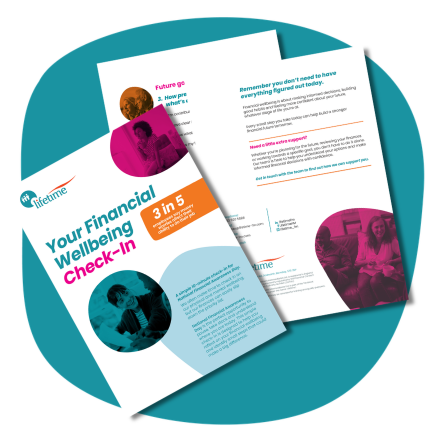
Our 2026/27 Financial Wellbeing Report launching soon, will explore this in more detail, looking at how people across the UK are feeling about money, the financial pressures they are experiencing and the relationship between financial wellbeing and wider wellbeing.
Looking for support?
If you’re an individual and would like support with your own financial wellbeing, our team can help you understand your options and take the next step.
If you’re an HR or people professional looking to support employees through ongoing financial pressures, we’d be happy to talk about how financial wellbeing support could work for your organisation.
Get in touch with our team to find out more.