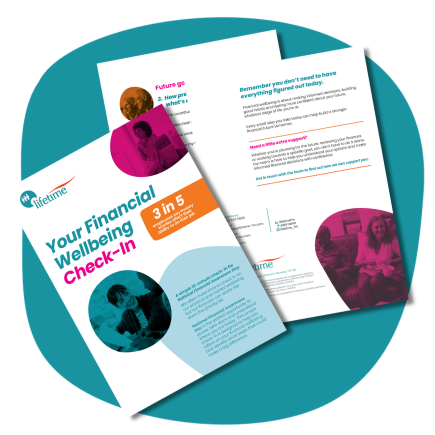
A Financial Plan: What Is It, Why It’s Important and How Can You Get One
Back to News & insights
Last updated: 12 October 2026
A financial plan is a clear picture of where your money is now, where you want it to go, and the steps that will get you there. It covers your income, spending, savings, debts, pensions and protection, and it is reviewed as life changes.
What is a financial plan?
A financial plan is a personal road map for your money. It shows your current position and sets out the steps towards the goals you care about.
Financial planning is an ongoing process that helps you make sensible decisions about money, so that you can work towards your personal goals and live your best life. It is about being organised. It is far better to be in control of your finances rather than letting those finances control you.
A plan can also model different scenarios built around your goals, for example finishing work earlier than planned, buying a new house, or funding a child through university.
What does a financial plan include?
A good financial plan brings every part of your money into one place. Most plans cover:
- Where you are now. Income, spending, savings, debts, pensions and assets.
- Your goals. What you want, and by when.
- A budget and cash flow. What comes in and goes out, and where to cut unnecessary costs. This budget plan is the foundation for everything else.
- A rainy day fund. Savings for unexpected, difficult times.
- A plan for debt. Which debts to clear first, and how.
- Protection. How your family would cope if you were unable to work, and whether protection cover is needed.
- Pensions and retirement. What your pension pots could provide, and whether it makes sense to bring them together.
- Saving and investing. Longer-term goals such as children’s education, and whether investments have a role.
- Tax allowances. Using the allowances available to you.
- Review dates. When you will check and update the plan.
Why is a financial plan important?
A financial plan is important because it replaces guesswork with a clear view of your money, which makes decisions easier and can take some of the worry out of them.
By taking control of your money, and having a clear understanding of your financial position, you may be able to ease anxiety and stress, and in doing so make good financial decisions, rather than merely guessing.
What are the benefits of having a financial plan?
The main benefit is clarity: you know where you stand and what to do next. Having a plan can help you:
- see your whole financial position in one place
- reduce unnecessary costs and improve cash flow, so you get more from every penny you earn
- answer the big questions, such as when you could retire or whether you can afford a house
- prepare for the unexpected with a rainy day fund and the right protection
- stay on track when your circumstances change, because the plan is reviewed and revised
A plan cannot guarantee any outcome, but it does mean your decisions are made with the full picture in front of you.
Who needs a financial plan?
Everyone can benefit from having a personal financial plan to follow, whatever their age or income.
Wherever you are on life’s journey, from being in your early 20s and weekends away with friends or seeing the world; your 30s and perhaps looking to settle down; your 40s and 50s where your children are your top priority; and all the way through to your 60s and looking ahead to your life after work, a sound financial plan can be your trusted guide.
Why should a financial plan be personal to you?
Because no two people’s finances are the same. When it comes to financial planning there is something very important to remember: you are unique.
You are different from everyone else out there. Your situation is different from that of your boss, your work colleagues, your next door neighbour, your close friends. So a financial plan has to be bespoke.
Many of us find our finances confusing, and we all have questions:
- How will my family cope if I’m unable to work?
- How can I manage debt?
- How much should I save for retirement?
- What age can I retire?
- Can I afford to buy a house?
A financial plan can help answer questions like these.
Coach or financial planner: which do you need?
It depends on the question. A coach helps you understand and organise your money. A financial planner gives regulated advice and can recommend specific products.
A financial coach is a good fit if you want to get on top of a budget, make a plan for debt, build a rainy day fund, set goals, or understand your pensions and options before making any decisions.
A coach gives guidance, not a personal recommendation on which product to buy. You can book a chat with a Lifetime coach to talk through where you are. Your first chat is free, with no obligation.
A financial planner is a good fit if you need a recommendation on pensions, including combining pots or planning retirement income, advice on investing for a long-term goal, advice on protection cover, or help using tax allowances as part of a wider plan.
Financial planners give regulated financial advice tailored to your circumstances. Find out more about working with a Lifetime financial planner.
If you are not sure which you need, start with a coach. They can help you get organised and tell you when a question needs regulated advice. For free, impartial guidance, you can also use MoneyHelper, which is backed by government.
How can you get a financial plan?
Start by knowing your numbers, then talk it through with someone qualified:
- Gather the basics: payslips, bank statements, debts, and pension and savings statements.
- Write down what you want and by when.
- Speak to a coach or financial planner who can help you build a plan around your circumstances.
- Review the plan regularly, and whenever your life changes.
At Lifetime, we have coaches and financial planners who can help make sure your personal plan takes in all aspects of your financial circumstances. By regularly reviewing and, if necessary, revising your plan, you will be able to keep your finances on track towards your goals, even if your circumstances change.
For employers: many people never get a financial plan because they do not know where to start. Our financial wellbeing at work programme gives employees access to coaching, education and our app.
Frequently asked questions
What is a financial plan in simple terms?
A financial plan is a road map for your money. It shows where you are now, sets out the goals you want to reach, and lists the steps to get there. It is reviewed and updated as your life changes.
What are the benefits of having a financial plan?
A financial plan gives you a clear view of your whole financial position, can help you cut unnecessary costs and improve cash flow, and prepares you for the unexpected. It also helps you answer big questions, such as when you could retire.
How often should I review my financial plan?
Review your plan regularly, for example once a year, and whenever something significant changes, such as a new job, a house move or a new baby. Regular reviews keep the plan realistic and on track.
What is the difference between a financial coach and a financial planner?
A financial coach helps you understand and organise your money and set goals, but does not recommend specific products. A financial planner gives regulated advice and can recommend pensions, investments or protection that suit your circumstances.
Not sure where to start? Book a chat with a Lifetime coach to see if you would benefit from having a financial plan.
The value of investments and pensions can go down as well as up, and you may get back less than you invested. Your home may be repossessed if you do not keep up repayments on your mortgage. Lifetime Financial Management Intermediaries Ltd. is registered in England (Registered No. 4539070), authorised & regulated by the Financial Conduct Authority (Financial Conduct Authority Number 225795).